Financial Resilience in Turbulent Times
In the face of geopolitical instability and economic uncertainty in 2023, hostel owners must adopt strategic financial models to ensure profitability. Explore actionable insights and contingency plans to navigate these turbulent times.

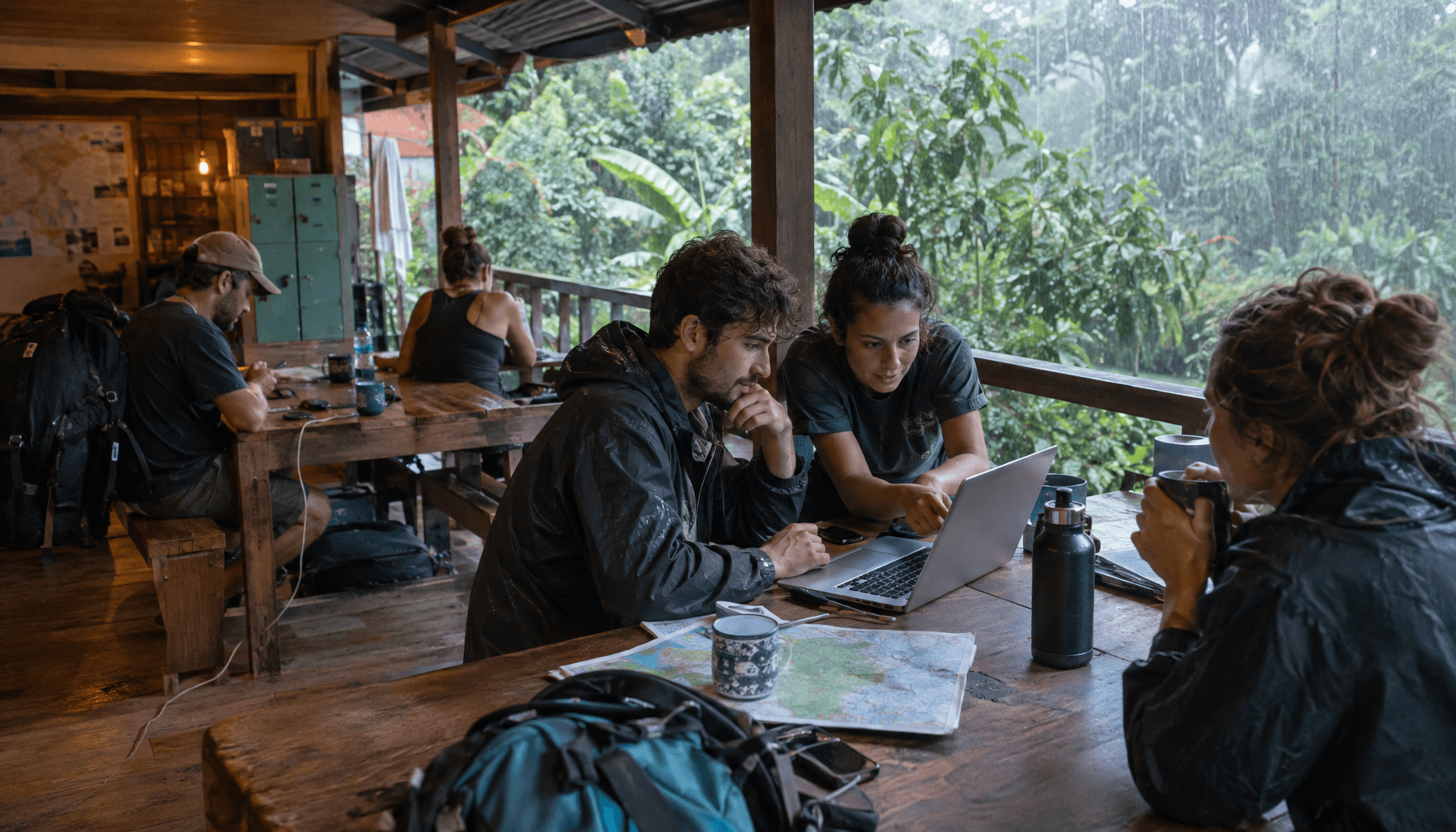
Navigating Financial Uncertainty in 2023
As of July 2023, the hostel industry faces a unique set of challenges, primarily driven by the ongoing war in Ukraine and its ripple effects on the European economy. Inflation rates remain a concern, impacting both operational costs and traveler budgets. Profit isn’t accidental, especially during turbulent times, and strategic financial planning is crucial for hostel owners looking to maintain profitability.
Understanding the Current Landscape
The economic instability caused by geopolitical tensions has led to fluctuating demand in the travel sector. In particular, hostels in key European cities like Berlin, Amsterdam, and Barcelona are experiencing varying occupancy rates. Let's model this: understanding current trends allows us to anticipate potential financial pitfalls.
- Inflation Impact: Rising costs of goods and services affect everything from linen supplies to utilities. Hostel managers must recalibrate their budgets to accommodate these changes without compromising guest experience.
- Traveler Behavior: With economic uncertainty, travelers are increasingly budget-conscious, seeking value-for-money accommodations. Hostels must highlight their unique offerings and community-driven experiences to attract this demographic.
Strategic Financial Models
1. Dynamic Pricing Models
Dynamic pricing, already a staple for airlines, is gaining traction in the hostel industry. By adjusting room rates based on demand fluctuations, hostels can maximize revenue without alienating price-sensitive travelers. Implementing technology solutions that analyze market conditions in real-time is essential for this strategy.
2. Contingency Planning
Having a robust contingency plan is not just about weathering the storm but thriving in it. Hostels should create financial buffers to manage unexpected downturns and capitalize on opportunities. This includes setting aside a percentage of monthly profits into a reserve fund.
3. Diversification of Revenue Streams
Hostels in 2023 are increasingly exploring diverse revenue streams beyond accommodation. From organizing local tours and events to collaborating with local artists for exhibitions, these initiatives not only enhance guest experience but also generate additional income.
Case Study: Berlin’s Adaptive Hostel
A prime example of strategic adaptation is Berlin’s Adaptive Hostel, which successfully navigated the pandemic and is now facing the current economic climate with resilience. By leveraging data analytics, they have optimized their pricing strategy and introduced a series of culturally immersive events, appealing to both locals and tourists.
Margin Magic Tip Box:
- Optimize Operational Efficiency: Regularly review supplier contracts and negotiate better terms to manage rising costs.
- Leverage Technology: Utilize cloud-based financial management tools to gain real-time insights into your hostel’s performance.
Next Steps for Financial Improvement
1. Conduct a Risk Assessment: Identify potential economic threats and evaluate their impact on your hostel’s operations and finances.
2. Invest in Staff Training: Equip your team with skills to deliver exceptional service, enhancing guest satisfaction and encouraging repeat business.
3. Embrace Sustainability: Implement eco-friendly practices that reduce costs and appeal to environmentally conscious travelers.
In conclusion, while the current economic climate presents significant challenges, it also offers opportunities for innovation and growth. By embracing strategic financial models and remaining agile, hostel owners can ensure their businesses remain profitable and resilient. Let’s model this approach to navigate the uncertainties of 2023 with confidence.