Solo Traveler Boost: Enhance Your Hostel Experience
Unlock the magic of solo travel: discover essential tips to transform your hostel stay into a vibrant adventure and lifelong connection masterpiece!

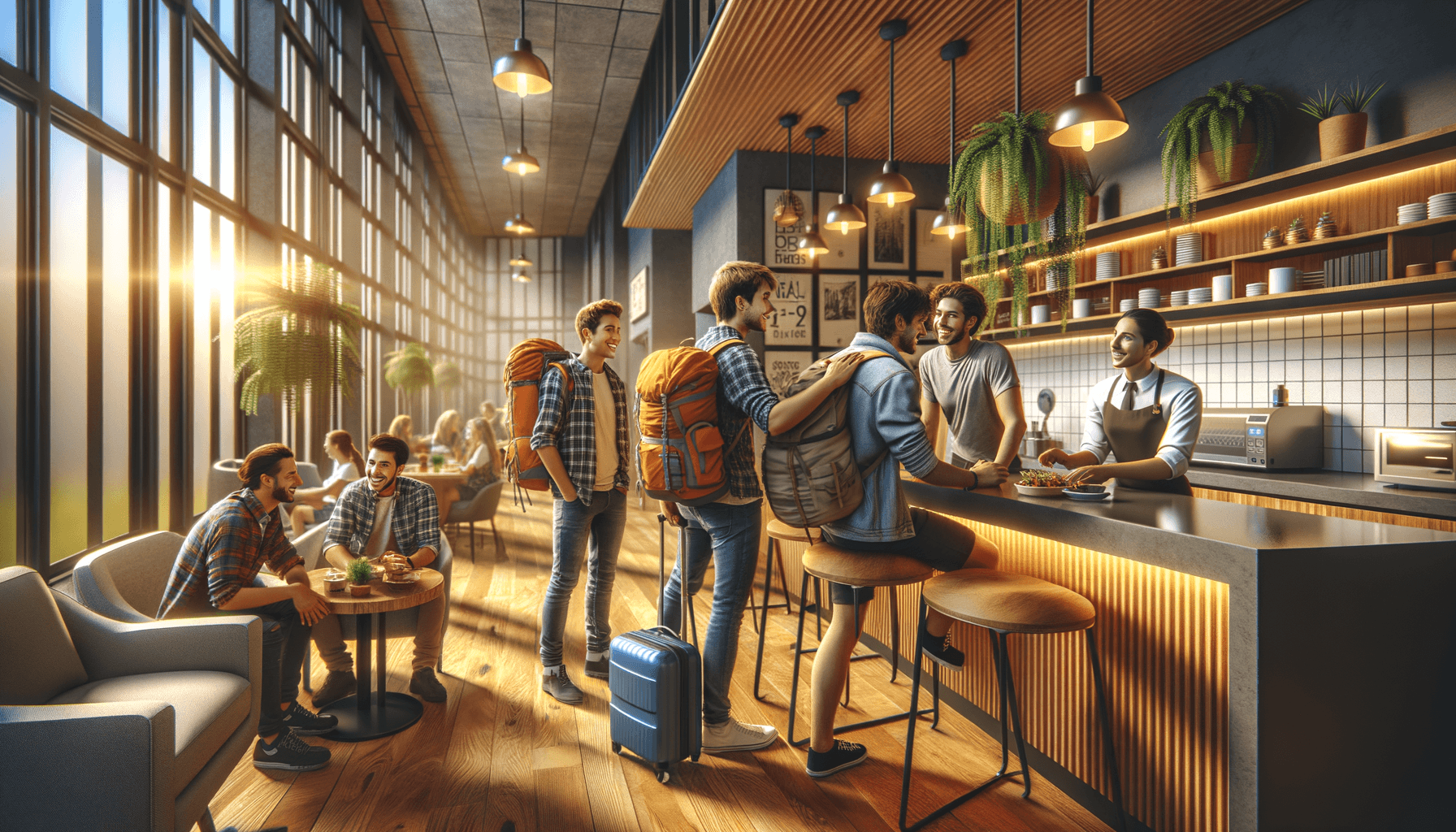
Solo Traveler Boost: Enhance Your Hostel Experience
Traveling solo is a journey of self-discovery, adventure, and engaging experiences. As someone who has worked in the vibrant world of hostel operations for over a decade, I've witnessed firsthand the transformative power that hostels can have for solo travelers. But as the hospitality industry evolves, hostels must be ready to adapt and improve their offerings to enhance the experience of those wandering alone. So, why is this important right now, and how can hostels ensure they provide the best environment for solo adventurers?
The Situation
The hospitality industry is currently seeing a significant rise in solo travel. According to recent reports, solo travel is projected to surge in 2026, spurring hotels to rethink their marketing strategies to cater to this dynamic segment source. As hostels are often the preferred choice for individual travelers seeking community and connection, this trend represents a golden opportunity for hostel operators to attract and retain more guests.
With the tendency of Latin American travelers to embrace digital engagement and prioritize safety source, hostels need to reflect these trends within their operational strategies. Hostels have the unique potential to not just house, but enrich the travel experiences of these explorers, making it critical to align services and amenities with evolving guest preferences.
Impact on Hostels
A burgeoning influx of solo travelers means hostels must rethink their approach to hospitality. This involves understanding and anticipating the unique needs of individuals journeying solo. From my professional vantage point in hostel operations, here are a few vital impacts the solo travel trend has on hostels:
Community Building: The core of the hostel experience is community. Hostels can facilitate meaningful connections, vital for solo travelers seeking social interactions or friendships on the road.
Personalization: With technology playing a pivotal role, personalization offers a key competitive advantage. Tailoring experiences to the specific interests and backgrounds of guests will greatly enhance their stay.
Safety and Security: For solo wanderers, safety is paramount. Hostels need robust security protocols and also should ensure guests feel safe to reach out to staff anytime they feel the need.
Mobile and Digital Engagement: As digital engagement rises, so does the need for hostels to employ technology efficiently—from mobile apps to seamless communication tools that keep guests informed and satisfied.
Action Steps for Hostel Operators
In my extensive experience with hostel operations, I've discovered several actionable steps that can significantly improve engagement and guest satisfaction for solo travelers:
Curate Social Events: Hostels should organize diverse social events, like walking tours, cooking classes, or themed parties. These activities not only create vibrant communal environments but also enable guests to connect organically.
Enhance Booking Systems: Implement systems that allow solo travelers to easily find other lone wanderers to share experiences with, whether it be shared rooms or local tours. This could mean integrating with apps that connect travelers with similar interests or offering opt-in guest matching.
Invest in Staff Training: A well-trained team should address the unique concerns of solo travelers. Training should focus on effective communication, problem-solving, and fostering a welcoming atmosphere where every guest feels included.
Upgrade Safety Protocols: Emphasizing safety, hostels should invest in high-quality security systems, including digital locks, CCTV cameras, and reliable check-in processes. Additionally, provide clear informational materials stressing safety tips for the local area.
Improve Digital Interactions: Use technology to streamline operations and guest interactions, employing tools or platforms that allow feedback and engagement. A hostel app or channel on platforms like WhatsApp or Slack can provide real-time updates and gather guest insights post-departure.
Conclusion
Looking forward, the rise of solo travel offers unparalleled opportunities for hostels to redefine what it means to offer exceptional service and memorable experiences. As hostel operators innovate to meet the demands of this growing demographic, the ability to craft spaces that encourage connection, safety, and personalization will determine success in the competitive hospitality landscape.
Adapting to these trends with a professional yet vibrant touch will elevate the hostel experience. Having been deeply entrenched in the operations of hostels for numerous years, the focus must be on detailed, real-world solutions that marry the operational challenges with the needs of today's solo traveler. Through these efforts, hostels will not only witness increased guest satisfaction but foster a community that travelers won't forget—a place where journeys don't just resume, but truly evolve.
By keeping these insights and actions in mind, hostels around the world can become havens for solo adventurers searching for not just a place to rest, but a launchpad for unforgettable memories and new friendships.