Mobile-First Strategies for Boosting Hostel Bookings
Unlock massive growth with mobile-first strategies! Transform hostel bookings by reaching wanderlust-driven travelers right where they swipe.

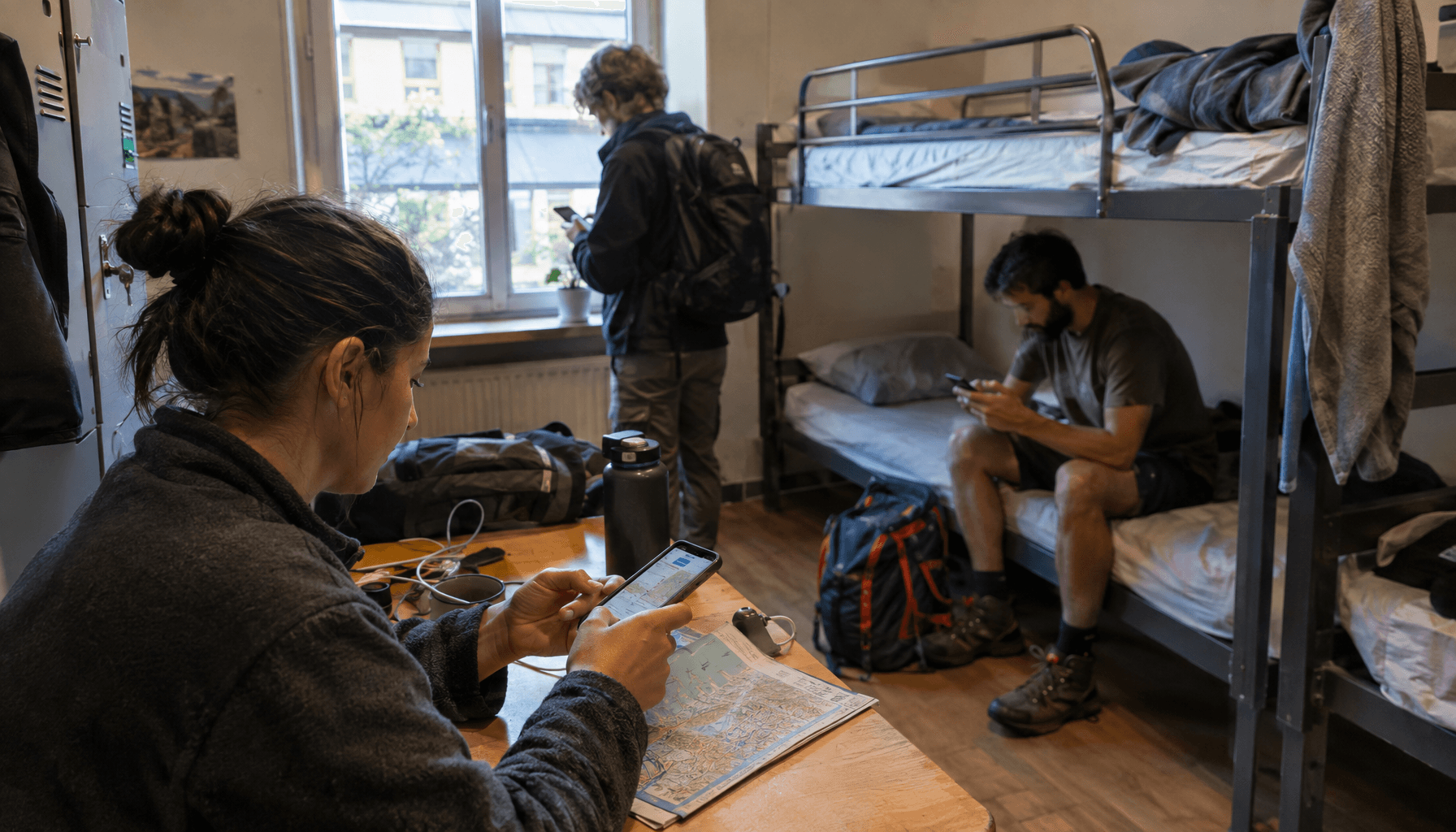
Mobile-First Strategies for Boosting Hostel Bookings: How to Stay Competitive in the Digital Landscape
As the digital world continues to evolve, embracing a mobile-first strategy has become paramount for businesses striving for growth and sustainability. For the hostel industry, where the youthful, tech-savvy traveler reigns supreme, adapting to these changes can spell the difference between a fully-booked season and empty beds. Having supported numerous hostels in Asia, and armed with over 14 years of expertise in digital growth and online marketing, I am keenly aware of the transformative potential that mobile-first strategies can have for hostel operators.
The Situation: The Digital Shift in the Travel Industry
The travel industry is constantly adapting to new technologies, and the emphasis on mobile optimization is more pronounced than ever. Recent statistics reveal that over 70% of travel bookings are now conducted on mobile devices, and this number is expected to grow as smartphones become even more integrated into our daily lives (Source: Think with Google). Hostel operators should be particularly attuned to this shift, as their target demographic—millennials and gen Z—predominantly rely on mobile devices for both leisure and booking activities.
Moreover, major players like Booking.com and Airbnb have already embraced mobile-first strategies, setting a high bar for user experience (UX) and mobile accessibility. As a result, travelers expect seamless, quick, and intuitive experiences. Thus, it’s inevitable for hostel operators to prioritize a mobile-friendly approach to remain competitive.
Impact on Hostels: Navigating the Mobile-First Terrain
For hostel operators, the shift toward mobile-first isn't merely an option; it is a necessity. The very nature of hostel guests—typically budget-conscious travelers seeking sociability and unique experiences—requires hostel operators to be creatively engaged, innovative, and tech-forward. The implications of not adapting to mobile-first strategies are profound, and hostels risk losing bookings and relevance in the eyes of tech-savvy travelers if they fall behind.
The Challenge of User Experience (UX)
One of the primary impacts is the need for an optimized mobile experience. Hostels that neglect the optimization of their websites and booking platforms for mobile users may face high bounce rates, abandoned carts, and ultimately, lower conversion rates. An optimized mobile experience means that your website isn't just accessible on a smartphone—it's designed specifically with mobile users in mind, creating ease and efficiency at every step of the customer's journey.
Leveraging Social Media & AI-Powered Personalization
Additionally, the mobile era brings forth opportunities for hostels to enhance their presence on social media, where platforms like Instagram and TikTok dominate among younger audiences. Utilizing AI and machine learning technologies can aid in creating tailored experiences, showcasing personalized offers, and building community engagement.
Action Steps: Embracing Mobile-First Strategies
To capitalize on this shift and secure more bookings, here are some concrete steps hostel operators should consider:
1. Optimize Your Website for Mobile
Ensure that your hostel's website is mobile-friendly and responsive. Implement adaptive design that caters to mobile devices, ensuring speedy load times and an intuitive interface. Tools like Google's Mobile-Friendly Test can help determine how well your site performs on mobile devices.
2. Invest in a Robust Booking Platform
Choose a booking platform that offers a seamless mobile experience. Platforms like Cloudbeds provide integrated solutions specifically designed for the hospitality industry, enabling frictionless booking processes from any device.
3. Enhance Social Media Presence
Capitalize on the power of social media to reach prospective guests. Share engaging content—think Instagram Reels of communal spaces, guest interviews for TikTok, or photo contests on Facebook. Engage with your audience by responding to comments and messages promptly, using automated tools if necessary to improve efficiency.
4. Implement AI for Personalization
Consider investing in AI technologies to deliver personalized marketing efforts. By leveraging data analytics, you can offer tailored recommendations, suggest local attractions based on preferences, and personalize communications to enhance guest experiences. Companies such as Qualtrics offer platforms that enable personalized engagement through data-driven insights.
5. Encourage and Utilize Guest Reviews
Facilitate mobile access to review submission on platforms like TripAdvisor and Google Reviews. Encourage satisfied guests to leave reviews by simplifying the process and responding to feedback diligently to reinforce trust and reputation.
Conclusion: Staying Ahead in a Mobile-First World
The transition to mobile-friendly operations is not only strategic but necessary for hostel operators seeking sustained growth in the evolving travel industry. Drawing on my insights from the Asian market, staying ahead requires agility and a willingness to adapt technological advancements that empower the consumer—from mobile optimization to AI-driven personalization.
By adopting these mobile-first strategies, hostels can enhance their competitive edge, secure new bookings, and ultimately, contribute to a thriving and dynamic hospitality economy. Ultimately, an emphasis on mobile-first strategies will ensure hostels remain in step with traveler expectations, turning digital challenges into opportunities for growth.
With change being the only constant in tech, it's time for hostels to embrace a mobile-first future and reap the rewards of early adoption. As digital possibilities expand, so too does the potential to enhance guest experiences and bolster your bottom line—one smart move at a time.