Preparing for Shifting Travel Norms Post-Brexit
As European hostels navigate the post-Brexit landscape, strategic financial modeling and operational adjustments are crucial for adapting to new travel regulations and economic shifts.

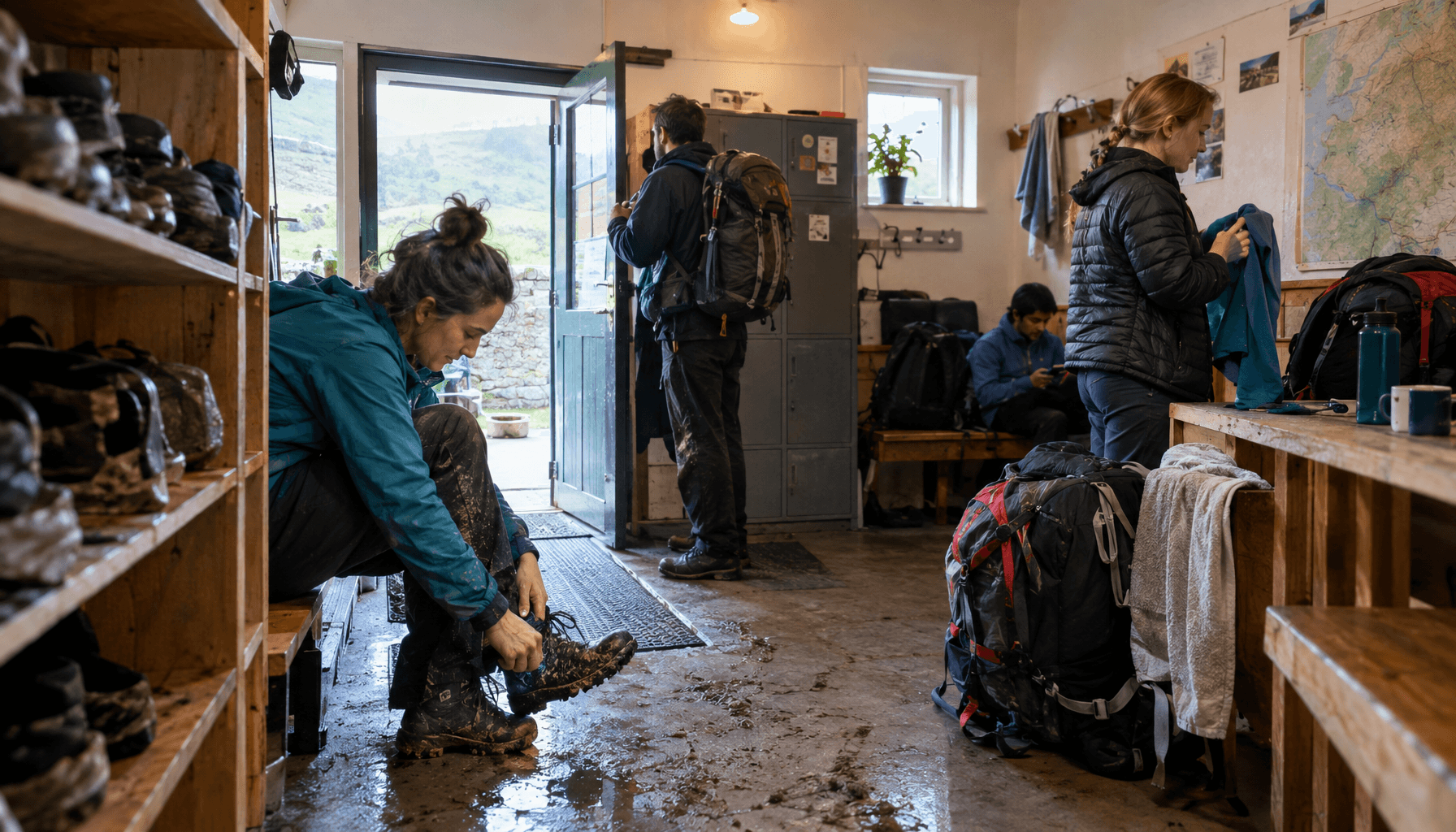
Understanding the Post-Brexit Landscape
Navigating the post-Brexit environment requires a keen understanding of the evolving travel regulations and their impact on hostel operations. As of October 2022, European hostels face unique challenges, including changes in visa requirements and fluctuating currency exchange rates. Let's model this environment by examining key financial and operational strategies.
Financial Modeling for Uncertain Times
In the wake of Brexit, profit isn't accidental. Hostels must adopt robust financial modeling to anticipate and mitigate potential economic impacts. Exchange Rate Fluctuations: With the British pound experiencing volatility, hostels need to adjust their pricing strategies to maintain competitive advantage. Consider implementing real-time pricing models that reflect current exchange rates to attract non-European travelers.
Margin Magic Tip Box: Install financial dashboards to monitor currency trends and forecast their impact on your profits. This allows for timely adjustments to pricing strategies.
Visa Regulation Adjustments
The shift in visa regulations post-Brexit presents both challenges and opportunities. Hostels should collaborate with local tourism boards to stay informed and leverage any government incentives available for promoting tourism.
Operational Strategies: Staffing and Supply Chains
Post-Brexit staffing challenges are exacerbated by ongoing labor shortages. Hostels must rethink their recruitment strategies, perhaps tapping into local talent pools or offering flexible work arrangements to attract a wider range of applicants.
Quick Actionable Item: Hostels should prioritize partnerships with local suppliers to mitigate supply chain disruptions. Diversifying suppliers can reduce dependency on cross-border logistics, which remain uncertain due to changing regulations.
Real-World Case Study: Berlin's Adaptive Hostels
Berlin's hostel scene provides a blueprint for success in adapting to post-Brexit travel norms. Local hostels have embraced digital marketing strategies to attract a broader audience, emphasizing cultural experiences and local events to entice travelers.
The Role of Technology
In 2022, the adoption of contactless technologies and enhanced digital booking platforms is paramount. These tools not only enhance guest experience but also streamline operations, allowing hostels to operate with reduced staff and increased efficiency.
Looking Ahead: Strategic Planning
As we move towards 2023, hostels must focus on strategic planning to sustain growth. This includes investing in sustainable practices, which are increasingly valued by travelers. Fostering community and cultural engagement will also be key in differentiating your hostel from competitors.
Next Steps for Financial Improvement:
- Regularly update your financial models to reflect economic changes.
- Engage in strategic partnerships with local businesses and tourism boards.
- Leverage technology to enhance operational efficiency and guest experience.
By embracing these strategies, hostels can not only survive but thrive amid the shifting travel norms post-Brexit. The path forward involves balancing financial acumen with creative operational strategies, ensuring a sustainable and profitable future.